

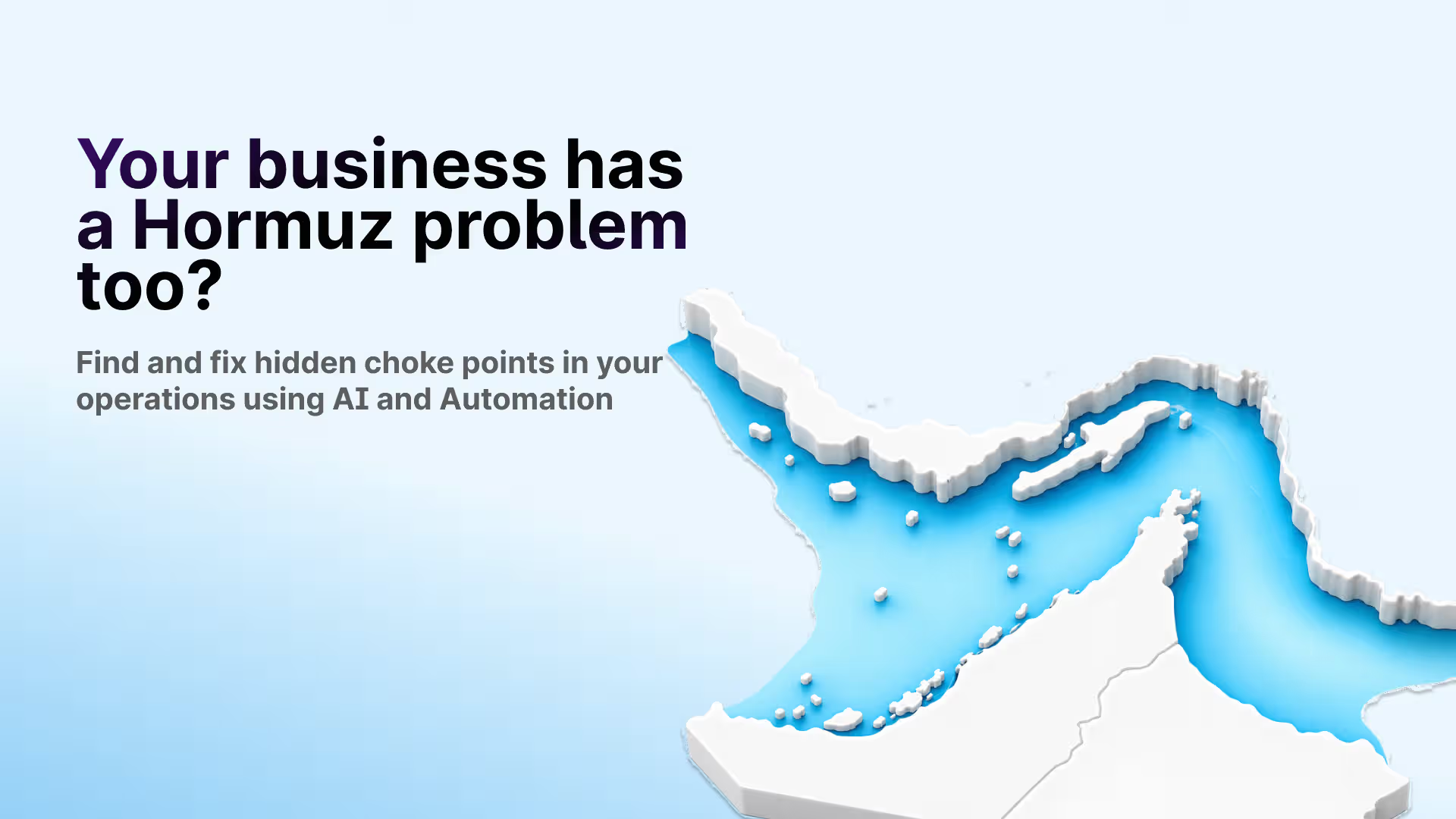




When the World Watches a Strait, Smart Business Owners are Instead Watching Their Systems
Right now, global attention is fixed on the Strait of Hormuz. Roughly 20% of the world’s daily oil supply passes through this narrow passage between Iran and Oman. When tensions rise in the region, markets react within hours, not because oil disappears overnight but because the entire global economy understands what it means when too much depends on a single, fragile channel. Australian businesses are you following up
The lesson is not geopolitical. It is structural and it applies directly to your business too.
Most Australian businesses; from Sydney accounting firms to Brisbane construction companies to Melbourne logistics operators, are running with their own version of the Hormuz chokepoint. A single lead source that could dry up. A salesperson whose inbox is the only place opportunities live. A reporting system that depends on one spreadsheet, built by someone who may not even still work there.
“When too much flows through one narrow point, disruption is not a risk. It is a scheduled event.”
The question is not whether you have a chokepoint. The question is whether you find it before it finds you.
What Does a ‘Hormuz Problem’ Actually Mean for an Australian Businesses?
A Hormuz problem in business is a single point of failure that controls the flow of revenue, decisions or operations. It can hide inside ordinary workflows, making it especially dangerous, it does not announce itself until the damage is already underway.
Here are some of the most common forms it takes:
- Are more than 60% of your leads coming from one advertising platform?
- Does one person (a founder, a sales manager or a senior coordinator) approve most key decisions?
- Is your business reporting built around a spreadsheet that only one or two people can interpret?
- Do your team members regularly wait on manual hand-offs before they can move work forward?
If you answered yes to any of these, you do not have a growth problem. You have an architecture problem and growth will continue to be difficult until your business architecture changes.
 Top article todayExcel-to-App Evolution: Why the Transformation Matters for SME’s
Also Read: How Workflow Automation is Reforming Australian Construction Operations
The Four Hidden Chokepoints Inside Australian Businesses
Across industries in Australia whether in healthcare, construction, professional services, e-commerce or logistics, the same four structural vulnerabilities appear again and again. Understanding them is the first step to eliminating them.
1. Marketing Dependency: Renting Your Pipeline Instead of Owning It
Many businesses feel confident about their marketing until one thing changes. Cost-per-click rises. Meta adjusts its algorithm. A competitor increases their ad spend and your ROAS (Return on Ad Spend) drops. Suddenly, the pipeline that felt reliable reveals itself as fragile.
According to the Australian Competition and Consumer Commission, Google and Meta dominate digital advertising spend in this country. When Australian businesses rely on these platforms for the majority of their leads, they are not building a pipeline, they are renting one on terms they do not control.
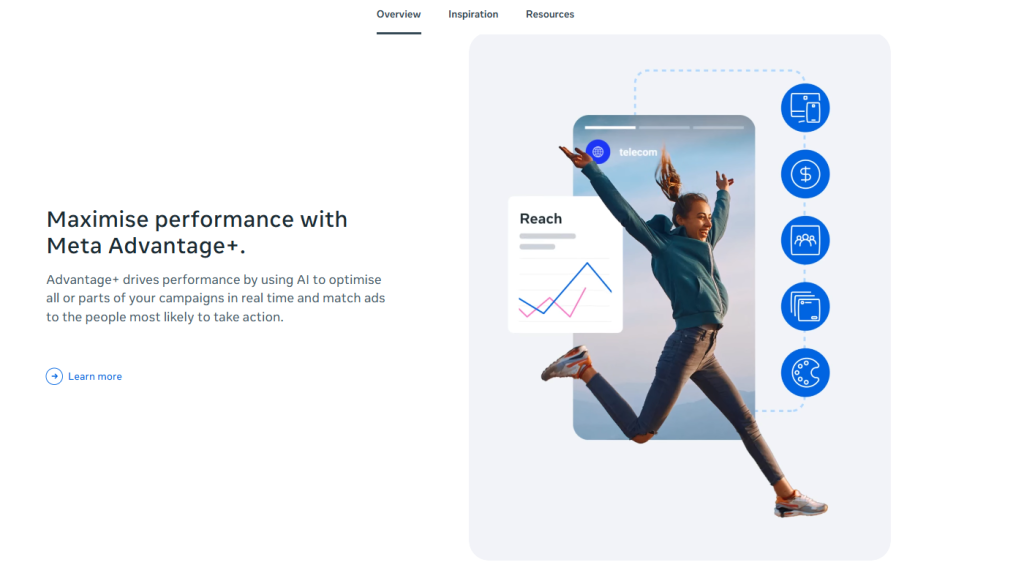
The fix is not to abandon paid channels. It is to stop being wholly dependent on them. Businesses that invest in owned audiences like a healthy CRM (Zoho, HubSpot), an engaged email list or an organic content that compounds over time, build pipeline that no algorithm can take away.
| Real Case Study – Melbourne-Based Financial Planning Firm |
| A mid-sized financial planning practice in Melbourne was generating around 80% of new client inquiries through Google Ads. When Google updated its financial services advertising policy in late 2023, their ads were suspended for three weeks during compliance review. The pipeline froze. Within six months of the incident, the firm had built an automated email nurture system connected to a content hub, reducing their paid channel dependency to under 40% while growing total lead volume. The chokepoint was not eliminated; it was bypassed. |
2. Sales Bottlenecks: Speed Is the Differentiator No One Talks About
Research from McKinsey & Company found that businesses responding to leads within minutes are dramatically more likely to convert than those that respond hours or days later. Yet the default in most Australian SMEs is the opposite; leads land in inboxes, follow-ups depend on memory and opportunities quietly disappear.
This is especially pronounced in founder-led businesses. The founder is often the best salesperson in the company, which means every deal funnels through one person’s calendar, one person’s energy and one person’s bandwidth. It is not a pipeline. It is a personality.
“Revenue does not just depend on demand. It depends on response speed and response speed depends on systems, not people.”
Automation breaks this chokepoint by ensuring that every lead is acknowledged instantly, routed to the right person and followed up on a defined schedule; regardless of who is in a meeting, on leave or simply overwhelmed.
3. Operational Dependencies: The Approval Trap That Stalls Entire Teams
Map the workflow of almost any Australian business and you will find the same pattern; approvals cluster around a small number of people. One manager. One director. One overwhelmed team leader. Everyone downstream waits while work sits in their queue.
In construction, a delayed site approval can hold up an entire crew. In healthcare, a documentation bottleneck can slow patient throughput. In professional services, a partner who must sign off on every client communication becomes the ceiling on what the firm can produce.
Deloitte research has consistently shown that organisations streamlining workflows through automation see measurable improvements in both operational efficiency and turnaround times. The mechanism is straightforward, when approvals follow a defined automated chain, work moves even when the usual approver is unavailable.
 Read alsoTool-Call Reliability in Production LLM Agents
| Real Case Study – Sydney Property Management Group |
| A property management company in Sydney was processing maintenance requests through a combination of email and a shared WhatsApp group. Approvals frequently stalled when the operations manager was unavailable. After introducing an automated workflow tool with tiered approval logic; routine maintenance auto-approved under a threshold and larger requests escalated automatically. The average request resolution time fell from 4.2 days to 1.1 days. Tenant satisfaction scores improved in the subsequent review cycle. |

4. Visibility Gaps: Making Decisions with Last Month’s Data
Most Australian businesses have data. Few have clarity. Reports are generated weekly, sometimes monthly. By the time leadership reviews the numbers, the situation they describe has already changed. Decisions get made on yesterday’s information, which means interventions arrive too late to be fully effective.
The Australian Bureau of Statistics has noted increasing digital adoption across industries, but data utilisation remains uneven. Many organisations collect data compulsively and use it rarely.
“If you only see problems after they have already happened, you are not managing your business. You are catching up with it.”
Real-time visibility transforms reactive businesses into proactive ones. Live dashboards, automated alerts when metrics fall outside defined thresholds and clear ownership of key numbers at every level of the organisation; these are not luxuries. For any Australian business operating in a competitive market, they are baseline requirements.
Also Read: Easy Automation to Deploy in 2026
Why the Risk of Chokepoints Is Increasing for Australian Businesses
The conditions that create chokepoints are not static. Several structural pressures are making them more acute and more costly in the current Australian business environment.
Labour costs are rising. Wage growth and skills shortages across trades, healthcare, logistics and professional services mean that businesses cannot simply hire their way out of operational problems. Every inefficient process is now significantly more expensive than it was three years ago.
Competition has intensified. Customers in every sector have more options and shorter patience. A slow follow-up or a clunky approval process does not just frustrate them, it sends them to a competitor who has automated what you are still doing manually.
Get the best ones in your inbox — no spam, unsubscribe any time.
“Australian businesses are often highly efficient within their chokepoints. The problem is structural resilience, not effort.”
Platform dependency is deepening. Australian businesses have become more reliant on digital platforms they do not own or control. When those platforms change their rules, pricing or algorithms, the impact is felt immediately.
The operational complexity is compounding too. More tools, more data sources, more team members working across more locations, without a deliberate architecture. This complexity creates new chokepoints faster than old ones can be resolved.
The Real Cost of a Chokepoint: It is Quieter Than You Think
Chokepoints rarely announce themselves dramatically. They do not crash businesses overnight. They limit them gradually, in ways that are easy to attribute to other causes: market conditions, team performance, customer behaviour.
The actual cost shows up in revenue volatility when the single pipeline source fluctuates. In missed opportunities when no one followed up fast enough. In delayed project delivery when an approval sat waiting for a signature. In customer frustration when the experience was inconsistent. In leadership burnout when every decision routes through the same small group of people.
Over time, these costs compound. A business with three unresolved chokepoints is not just slower; it is structurally incapable of growing beyond a certain point, because growth increases throughput demand on the same constrained pathways.
How Business Automation Eliminates Chokepoints and Builds Structural Resilience
Here is where the conversation about automation usually goes wrong. Most businesses think about it as a way to save time or reduce admin. Those benefits are real but they are secondary.
The primary value of automation is that it removes dependency risk. It creates multiple pathways instead of one. It ensures that when a person is unavailable, a platform shifts or a process scales beyond what manual handling can absorb, the system keeps moving.
Distributed Marketing Systems
Rather than funneling all lead generation through a single paid channel, automated marketing systems distribute acquisition across SEO, email, inbound content, referral sequences and retargeting; each feeding into a CRM that nurtures prospects automatically. The business stops renting its pipeline and starts owning it.
Automated Sales Workflows
Instant lead routing, automated acknowledgement, structured follow-up sequences and pipeline dashboards visible to the whole team; these ensure that no opportunity is lost to slow response or poor visibility. The salesperson focuses on conversations. The system handles the logistics.
 Read alsoTop 5 No Code Automation Platforms for 2026
Workflow-Based Operational Approvals
Tiered approval chains, automated task assignment and escalation triggers replace the email-and-memory approach that causes most operational delays. Work moves through defined pathways. Bottlenecks become visible before they become critical.
Real-Time Business Visibility
Live dashboards, automated performance alerts and clear metric ownership transform decision-making from reactive to proactive. Leaders stop managing by last month’s report and start managing by what is actually happening today.
| Without Automation | With Automation |
| One marketing channel | Multi-channel lead pipeline |
| Manual sales follow-ups | Instant automated responses |
| Approvals stuck in inboxes | Structured automated workflows |
| Weekly or monthly reports | Live dashboards & real-time alerts |
| Revenue volatility | Predictable, resilient growth |
The shift is not technological. It is architectural. A resilient business is not faster because its people work harder. It is faster because its systems remove friction from every critical pathway.
Where to Start: A Practical First Step for Australian Business Owners
You do not need to transform everything at once. The businesses that build genuine resilience do so by starting with their single biggest chokepoint; the one where, if it slowed or stopped, the impact would be felt most immediately.
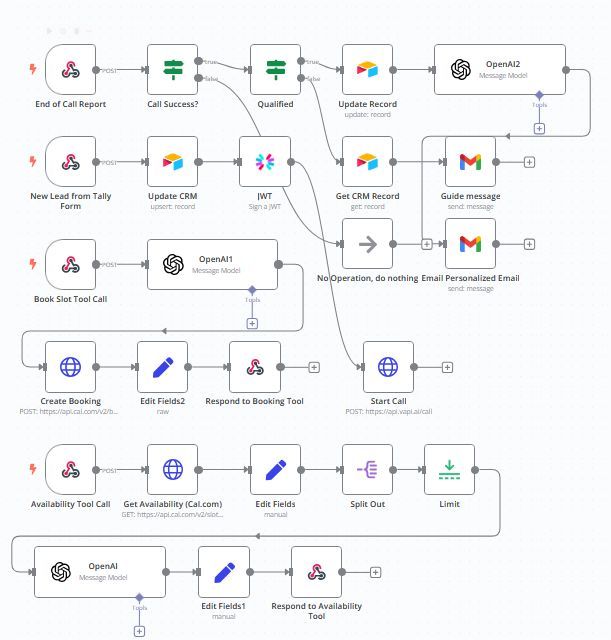
Start by mapping your lead flow. Identify what percentage of new business comes from each source and ask honestly what happens if the dominant source changes. Then automate the capture and follow-up for every lead, regardless of source and make the pipeline visible to more than one person.
Then pick one critical operational workflow; typically, the one that generates the most waiting, the most chasing or the most complaints and introduce a structured automated process in its place. Not to replace the people involved but to give them a defined pathway that does not depend on manual co-ordination.
“Do not automate everything at once. Remove your biggest chokepoint first. Then the next one. Resilience will be built in iterations, not in projects.”
Finally, build visibility before you build anything else. A real-time dashboard showing the three or four numbers that actually determine whether your business is healthy like lead volume, conversion rate, pipeline value and average response time. This is more valuable than any individual automation.
Also Read: Australia’s Top AI Agency – Our Story of Automation
Build a Business That Cannot Be Blocked
The world watches the Strait of Hormuz because global energy depends on it. When it is threatened, the consequences are not contained to shipping lanes; they ripple outward into every market, every supply chain, every decision.
Your business has its own version of that strait. Maybe it is a single advertising platform that supplies most of your leads. Maybe it is a founder who is the only person clients trust to close. Maybe it is an operations manager whose inbox is the unofficial approval system for the entire company.
The Hormuz situation is a reminder that resilience is not a contingency plan. It is a design principle. The businesses that will grow in the next three years are not necessarily the ones with the best product or the largest team. They are the ones that have built systems capable of moving value freely from lead to customer, from decision to execution, from data to action; even when a single channel, person or process comes under pressure.
The Hormuz problem is not a warning about global oil markets. It is a mirror held up to the way most businesses of all sizes, are built. Look into it honestly, identify your chokepoints and start removing them; one automated pathway at a time. Our biggest chokepoint at FUZN was proposal writing and customer on-boarding; we are automating it too!