





2025 has officially become the year of AI agents, with industry leaders like OpenAI’s Sam Altman predicting that “We may see the first AI agents ‘join the workforce’ and materially change the output of companies.” But what exactly are AI agents and why is every business leader talking about them? Let’s cut through the hype and explore the practical reality of this transformative technology.
What Exactly Is an AI Agent?
Beyond Simple Chatbots
An AI agent is fundamentally different from the chatbots or AI assistants you might already be familiar with. Think of it as the difference between a helpful receptionist who can answer questions and a capable colleague who can actually get work done.
AI agents are autonomous software systems that can:
- Perceive and understand their environment
- Make informed decisions based on data
- Take actions to achieve specific goals
- Learn and adapt from their experiences
- Work across multiple systems and tools
The Three-Part Operating Cycle
AI agents work through a continuous cycle:
- Data Collection: They gather information from various sources – APIs, databases, sensors or user inputs
- Data Processing: They analyse this information to form insights, identify patterns and make predictions
- Task Performance: They autonomously execute actions based on their analysis without needing constant human oversight
Key Characteristics That Set Them Apart
Autonomy: Unlike traditional software that requires step-by-step instructions, AI agents can determine their own path from prompt to completion.
Tool Integration: They can access and utilise multiple tools, from web browsers and databases to specialised software interfaces.
Memory: Modern AI agents maintain context across sessions, remembering previous interactions and learning from them.
Reasoning: Powered by large language models, they can think through problems, plan multi-step processes and adapt their approach based on changing circumstances.
 Top article todayExcel-to-App Evolution: Why the Transformation Matters for SME’s
Why Do We Need AI Agents in the First Place?
The Current Business Challenge
Businesses today face a productivity paradox. Despite having access to powerful AI tools, many organisations report widespread AI adoption but minimal bottom-line impact. McKinsey research reveals that nearly 80% of companies use generative AI, yet roughly the same percentage report no significant impact on earnings.
The Efficiency Gap
Traditional automation handles simple, rule-based tasks well but struggles with complexity and unpredictability. Meanwhile, humans spend countless hours on repetitive tasks that require some intelligence but do not necessarily need human creativity or emotional intelligence.
AI agents bridge this gap by:
- Automating complex, multi-step processes
- Handling ambiguous situations that require reasoning
- Working across multiple systems seamlessly
- Scaling intelligent decision-making without scaling headcount
Real-World Impact
Consider these examples of where AI agents are already making a difference:
Financial Services: Wells Fargo has processed 245 million customer interactions through AI agents without requiring human handoffs.
Healthcare: Hospitals are using AI agents to streamline patient intake workflows, ensuring medical histories, consent forms and insurance data are accurately collected and validated.
Customer Service: Companies report significant reductions in response times and operational costs while maintaining consistency across all customer touchpoints.
Current Capabilities of AI Agents in 2025
Advanced Tool Usage
Today’s AI agents can navigate and interact with a remarkably broad range of tools:
- Software Applications: They can operate Excel, CRM systems and enterprise software
- Web Automation: Agents can fill forms, extract data and navigate websites
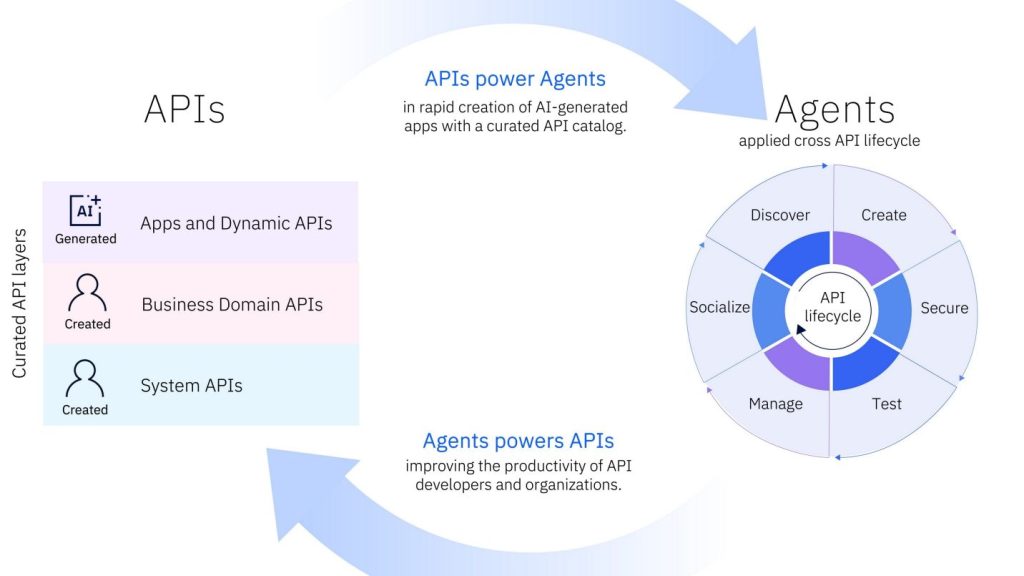
- API Integration: They connect with multiple services and databases simultaneously
- Document Processing: From analysing contracts to generating reports
Enhanced Context Awareness
Modern AI agents are becoming increasingly sophisticated in understanding context:
 Read alsoIntroducing Pickie: Dispatch over WhatsApp for Small Fleets
- Organisational Knowledge: They learn your company’s specific processes, brand voice and constraints
- User Preferences: Agents adapt their approach based on individual user patterns and feedback
- Situational Awareness: They can assess the stakes of different situations and escalate appropriately
Multi-Agent Collaboration
One of the most exciting developments is agents working together as teams:
- Specialised Roles: Different agents handle different aspects of complex workflows
- Coordination: Agents can hand off tasks, share information and coordinate their efforts
- Quality Control: Agents can review and improve each other’s work
Improved Safety and Reliability
2025 has seen significant advances in agent safety:
- Built-in Guardrails: Agents have safety mechanisms to prevent harmful or unintended actions
- Human-in-the-Loop: Critical decisions can still require human approval
- Audit Trails: Complete logging of agent actions for transparency and accountability
Business Advantages of AI Agents
Operational Excellence
Process Automation: AI agents can handle end-to-end business processes, from customer onboarding to regulatory compliance reporting.
Error Reduction: By automating routine tasks, agents eliminate human error in repetitive processes whilst maintaining consistency.
24/7 Operations: Agents work continuously, providing round-the-clock service without breaks or shifts.
Strategic Benefits
Scalability: Add capacity without adding headcount, agents can handle increased workload as your business grows.
Get the best ones in your inbox — no spam, unsubscribe any time.
Cost Efficiency: Reduce operational costs by automating labour-intensive processes whilst freeing human employees for higher-value work.
Speed: Agents can process information and complete tasks at machine speed, dramatically reducing cycle times.
Competitive Advantage
Customer Experience: Provide immediate, consistent and personalised service across all touchpoints.
Innovation: Free your team from routine tasks so they can focus on creativity, strategy and innovation.
Data-Driven Decisions: Agents can analyse vast amounts of data and provide insights that inform better business decisions.
Revenue Impact
New Service Models: Agents enable new ways of delivering value to customers, potentially creating new revenue streams.
Market Responsiveness: React faster to market changes and opportunities with agents that can adapt quickly.
Productivity Multiplier: Companies using AI agents report productivity improvements of 25-40% in specific workflows.
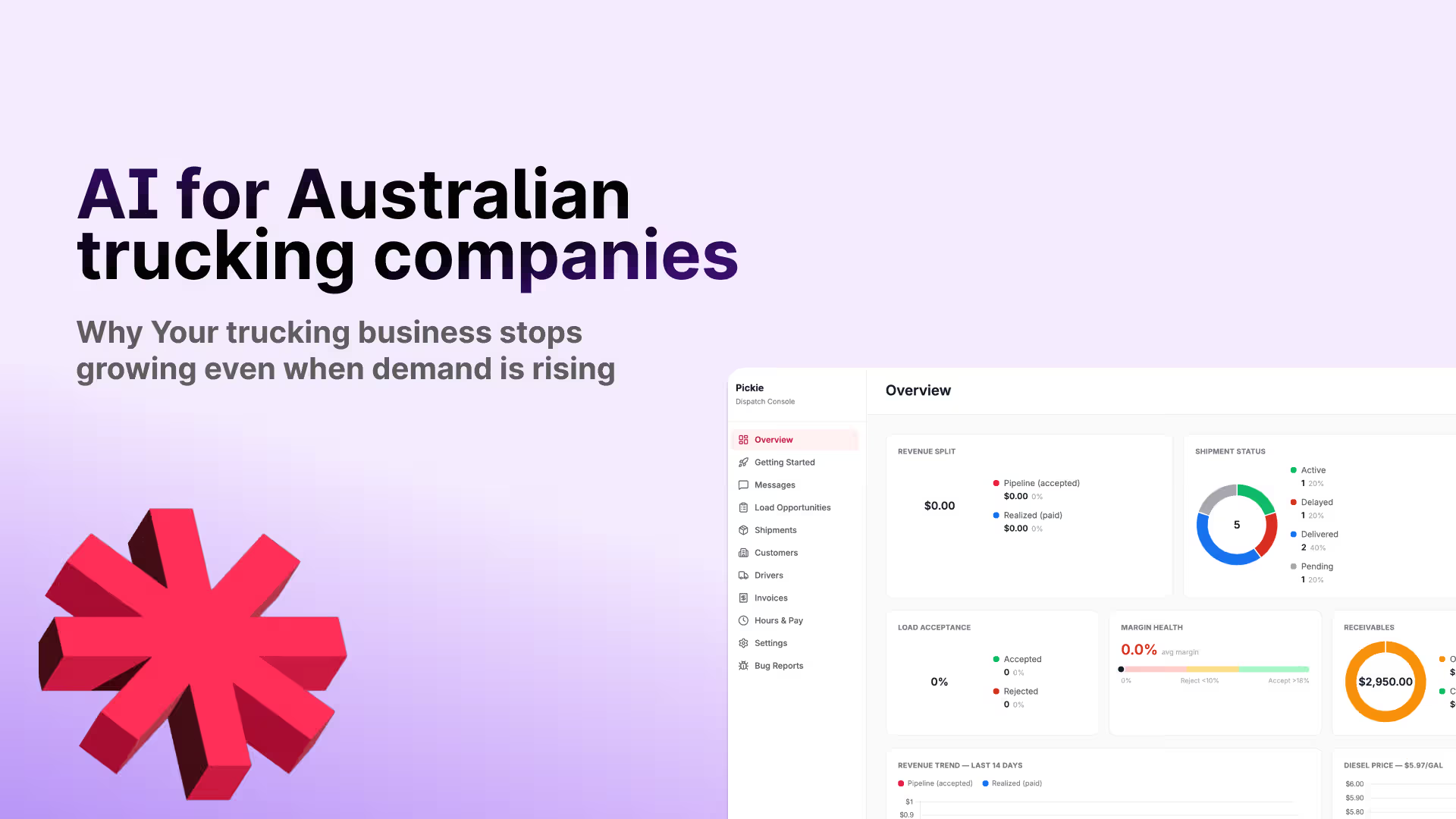 Read alsoLogistics Automation in Australia: Why Your Trucking Business Stops Growing Even When Demand Is Rising
AI Integration and Development Considerations
Integration Architecture
The Agentic AI Mesh: Leading organisations are implementing what experts call an “agentic AI mesh” – a coordinated network of agents that work together whilst maintaining proper governance and security.
System Compatibility: Modern agents integrate with existing infrastructure through APIs, requiring minimal disruption to current systems.
Data Strategy: Successful implementation requires clean, accessible data. Agents need reliable access to the information they need to function effectively.
Development Approaches
Build vs Buy Decision:
- Pre-built Solutions: Platforms like Salesforce Agentforce, Microsoft Copilot and HubSpot Breeze offer ready-made agents for specific functions
- Custom Development: Frameworks like LangChain, AutoGen and CrewAI allow for tailored solutions that meet specific business requirements
Implementation Strategy:
- Start with clearly defined, narrow use cases
- Prioritise areas with clear ROI potential
- Plan for iterative improvement and scaling
Risk Management
Security Considerations: Implement robust encryption, access controls and compliance measures, especially when handling sensitive data.
Governance Framework: Establish clear policies for agent behaviour, escalation procedures and human oversight requirements.
Change Management: Prepare your team for new ways of working and provide training on collaborating with AI agents.
Getting Started: A Practical Roadmap
Phase 1: Foundation Setting
- Identify Use Cases: Focus on repetitive, rules-based processes with clear success metrics
- Data Preparation: Ensure clean, accessible data for agent training and operation
- Team Preparation: Train key personnel on agent collaboration and oversight
Phase 2: Pilot Implementation
- Start Small: Begin with one or two specific workflows
- Measure Impact: Track productivity gains, error reduction and user satisfaction
- Iterate and Improve: Use learnings to refine agent behaviour and expand capabilities
Phase 3: Strategic Scaling
- Process Redesign: Reimagine workflows with agents at the core, rather than bolting agents onto existing processes
- Cross-Functional Integration: Expand agents across departments and functions
- Continuous Optimisation: Regular review and improvement of agent performance
The Road Ahead
AI agents represent a fundamental shift from reactive AI tools to proactive, goal-driven virtual collaborators. The technology is mature enough for practical implementation, but success requires thoughtful strategy and execution.
The organisations that will gain the most from AI agents are those that view them not as replacement workers, but as powerful collaborators that amplify human capabilities. By starting with clear objectives, focusing on measurable outcomes, and building robust governance frameworks, businesses can harness the transformative potential of AI agents while managing the associated risks.
The question is not whether AI agents will transform your industry, it is whether you will be leading that transformation or catching up to it. The time to start exploring and implementing AI agents is now. If you are still in doubt on where to start, reach out to us so we can guide you.