





The global trade landscape has entered a new era of trade disruption. With US tariffs reshaping global supply chains and amplifying uncertainty, companies are scrambling to adapt. Margins are being squeezed, operating costs are rising and the old playbooks no longer work. Uncertainty in US tariff policies has triggered a domino effect across supply chains, forcing companies worldwide including those within Australia to confront diminishing profit margins and added costs over their supply chain verticals.
However, where most see crisis, smart businesses see opportunity. Around the globe, forward-thinking companies are using automation to turn disruption into competitive advantage. In Australia, a country long shaped by distance, resources and trade dependency, this shift will prove very transformative. Rising costs and unpredictable trade rules threaten traditional domestic business models built on efficiency and predictable supply chains.
Survival for a lot of industries now demands quick transformation and workflow automation is an option which is quickly deployable. Tariffs are not just taxes on goods; they are taxes on inefficiency.
 Top article todayExcel-to-App Evolution: Why the Transformation Matters for SME’s
Why Automation Is Non-Negotiable due to Tariffs?
Tariffs do more than raise costs, they expose structural weaknesses within business models. For Australian businesses competing internationally, this means traditional models of ‘business as usual’ are now broken. Despite Australian imports only being levied a mere 10% tariff by the US, compared to the astronomical percentages of other countries, the profit margin for many industries affected is going to be hit hard.
When prices rise, companies face three choices; absorb the costs, pass the costs onto already price-sensitive customers or reinvent operations for efficiency. Globally, winners are choosing the third path and automation has allowed them to stay competitive, even as trade wars drag on.
As one Australian logistics executive put it, “We realised quickly that waiting for tariff policies to stabilise was not an option. Inefficiency within our system was effectively going to be a double tax; one from the government and another from our own slowness. Hence the only way forward was to redesign how we work.”
Tariffs are accelerating what might otherwise have been a decade-long shift into a rapid, high-stakes transformation. In fact, it is creating what some economists call a “forced innovation cycle”; a situation where external pressure accelerates adoption of technologies that businesses might have otherwise been delayed. For Australia, the effect is twofold. Domestically, businesses are being pushed to shed outdated systems that were already holding them back. Internationally, companies that automate effectively can compete not just on cost, but on speed, flexibility and reliability. These factors matter now more than ever in a tariff-ridden world where shipping schedules, customs delays and rising costs can cripple weaker players.
It will turn Pressure into Opportunity with Automation
The un-educated narrative within many is that automation replaces people. However, it frees them from menial daily operational tasks. In Australian manufacturing, mining, agriculture, logistics and service industry, automation is less about reducing headcount and more about redirecting human talent toward areas where it creates the most value; delivering exceptional customer service.
 Read alsoLogistics Automation in Australia: Why Your Trucking Business Stops Growing Even When Demand Is Rising
Take the example of a mid-tier manufacturer in Melbourne that automated its procurement and invoicing workflows. Instead of clerks spending hours tracking paperwork and fixing errors, the same team now focuses on vendor strategy, supply diversification and customer relationships. The company now reports not just a 40% cut in processing time but also an improvement in customer satisfaction.
Similar patterns can be seen repeated across many industries. Removing the grunt work with automation empowers employees to concentrate on problem-solving, innovation and client engagement. In tariff-stressed industries where customers are already on the edge about rising costs, this improved service quality becomes added value which helps companies protect their market share. Faster responses, fewer mistakes and greater consistency create customer loyalty at a time when every extra cent counts.
In Agritech, automation has helped Australian exporters keep pace with demand despite tariff headwinds. As one entrepreneur put it, “Automation did not take jobs away. It actually saved our export markets. We could not keep up with demand manually structured operations but now we not only do high volume sales, but our customer satisfaction has also tremendously increased.”
Get the best ones in your inbox — no spam, unsubscribe any time.
How can Automation turn US Tariffs into Leverage for Australia?
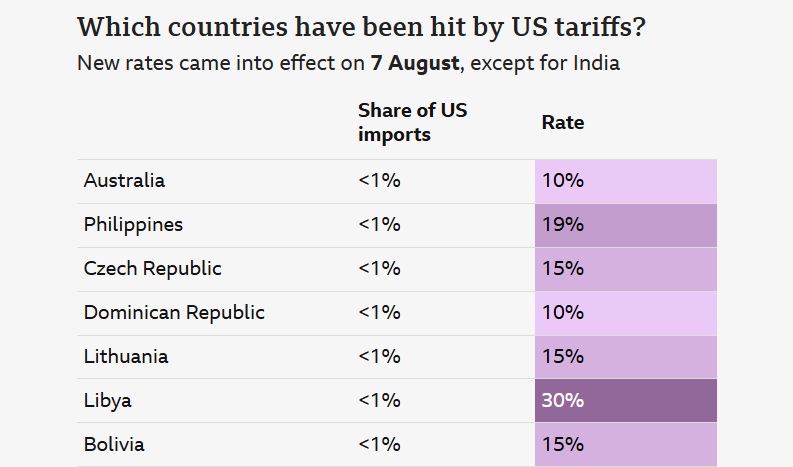
At first glance, Australia seems more vulnerable than advantaged in a world shaped by US tariffs and regional trade deals. A vast island continent, heavily dependent on imports and exports, located far from North America and Europe. However, with automation, Australia’s unique position can transform into an advantage.
- Regional Gateway: Automation in logistics can position Australian ports and distribution hubs as efficient and reliable gateways to the Asia-Pacific, despite by being far from major western markets. Also, by deploying automated customs clearance, AI-driven demand forecasting and robotic warehousing, Australia can market itself as a trade safe hub amid global uncertainty.
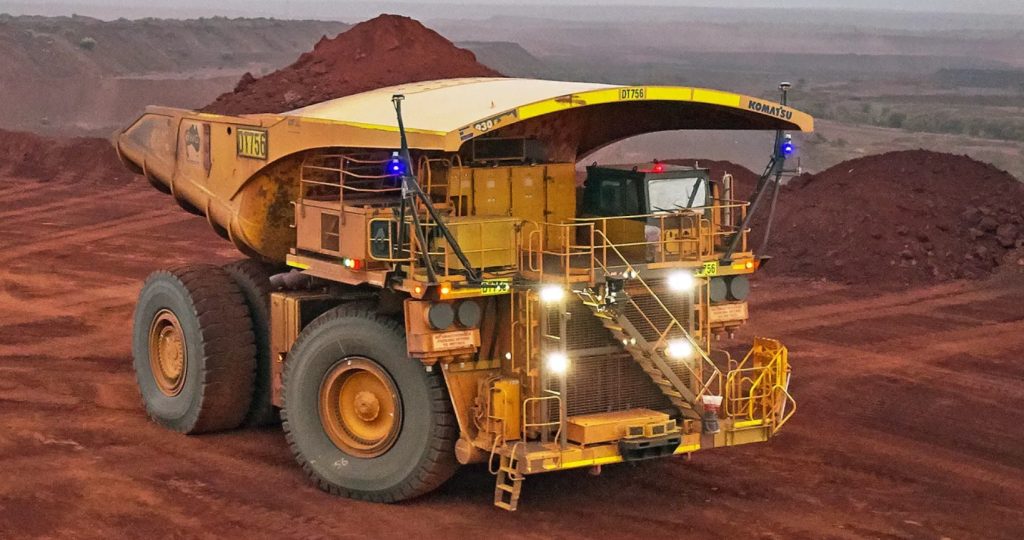
- Resource Sector Innovation: Mining and agriculture two of Australia’s biggest export earners are already at the forefront of automation. Driverless trucks in the Pilbara and automated drones monitoring farmland are not futuristic experiments; they are our present-day realities. With tariffs distorting global prices, efficiency adoption ensures Australia remains a cost competitive supplier.
- Services as Export: Australia’s professional services sector such as consulting, finance and education can scale its reach globally through digital automation. Remote service delivery platforms, AI powered analytics and automated compliance systems will allow Australian firms to grow beyond domestic borders while dodging physical trade restrictions, induced by the tariffs.
In a good way US tariffs are forcing Australian companies to sharpen their edge. However, companies can now transform their vulnerabilities into strengths by embracing automation, leveraging geography and sector expertise to carve out a distinctive role in global trade.
What Businesses Must Do Now
The biggest mistake Australian businesses or companies globally can make is to assume this disruption will pass. Trade wars, tariff hikes and constantly shifting alliances are not anomalies; they are the new normal. Companies that treat automation as a quick fix will save a little in the short term, but they will remain fragile and trapped with rigid systems, low employee morale and no real resilience when the next disruption hits. In contrast, businesses that see automation as a long-term strategy unlock agility, retrain their people for higher value roles and build the kind of reliability and customer trust that allows them not just to survive trade shocks but to thrive because of them.
 Read alsoStrait of Hormuz Chokehold Warning Lessons for Australian Businesses!
Practical steps matter more now than ever. Australian businesses must begin with a clear operational audit to expose inefficiencies, pilot automation in the areas that deliver the biggest impact and invest in upskilling, so employees grow alongside technology rather than being sidelined by it. Equally important is choosing systems that scale; cloud-based, adaptable and integrated platforms that evolve as global trade rules shift.
“You cannot future proof against tariffs. However, you can future-proof against inefficiency and that is what automation offers; the breathing room to stay competitive no matter what politicians do.”
This is the gist of the current moment in global affairs. US tariffs are not just inflating costs they are accelerating a global automation revolution. Companies that hesitate will find themselves locked out of markets and outpaced by rivals who embraced change. But those that act decisively, that see automation not as a cost-saving trick but as a long-term strategy, will transform tariffs from a burden into a catalyst.
For Australian companies, the choice is clear; treat automation as optional and risk decline or embrace it as the pathway to competitiveness and leadership in a world where trade uncertainty is the new climate. Tariffs may have lit the fire, but automation is how Australia ensures it does not just survive the heat but rather thrive in it.
At FUZN, we believe this moment is not just a challenge but a once-in-a-generation opportunity for Australian businesses. Automation is the lever that turns trade uncertainty into a competitive edge. The question for you is not whether tariffs will continue to disrupt global markets; they will! The question is whether your business will act now to seize the advantage.