






Artificial intelligence is no longer a futuristic concept; it is a powerful business tool being integrated into everything from customer service bots to complex data analysis platforms. As companies rush to adopt AI, many are discovering a hidden challenge: the surprisingly high and often unpredictable costs. Your AI expenses can quickly spiral out of control, if not properly planned.
Getting the most out of your AI investment is not just about building innovative features. It is about smart financial management. This guide will walk you through the biggest AI expenses, common budgeting pitfalls and a practical action plan to ensure your AI initiatives deliver maximum value without breaking the bank.
1. What Are the Biggest AI Expenses in Business?
Understanding where the money goes is the first step toward optimisation. For most businesses integrating AI, the costs fall into a few key categories.
API Calls: The Pay-as-you-go Fuel
This is often the most significant and recurring expense for businesses using models from providers like OpenAI, Anthropic or Google. Every time your application asks the AI to generate text, analyse an image, or answer a question, it makes an API call. These calls are typically priced based on the amount of data processed (measured in “tokens”), so complex or lengthy interactions cost more.
Compute Power: The Engine Room
If you are training your own models, compute power is your largest expense. This involves renting powerful servers with specialised graphics processing units (GPUs) from cloud providers like AWS, Google Cloud, or Azure. There are two main cost centers here:
 Top article todayExcel-to-App Evolution: Why the Transformation Matters for SME’s
- Training: The intensive, upfront process of teaching your model. This can be extremely expensive.
- Inference: The ongoing cost of running your trained model to make predictions or generate outputs for your users. While cheaper per transaction than training, this cost scales with usage and can become enormous.

Talent: The Human Expertise
Never underestimate the human cost. Skilled professionals like machine learning engineers, data scientists, and prompt engineers command high salaries. Their time spent developing, testing and maintaining AI systems is a major part of your total AI spend.
Data and Tooling: The Foundation and Workshop
AI is nothing without data. The costs associated with acquiring, cleaning, labelling and storing high-quality data can be substantial. Additionally, you will likely pay for a suite of tools:
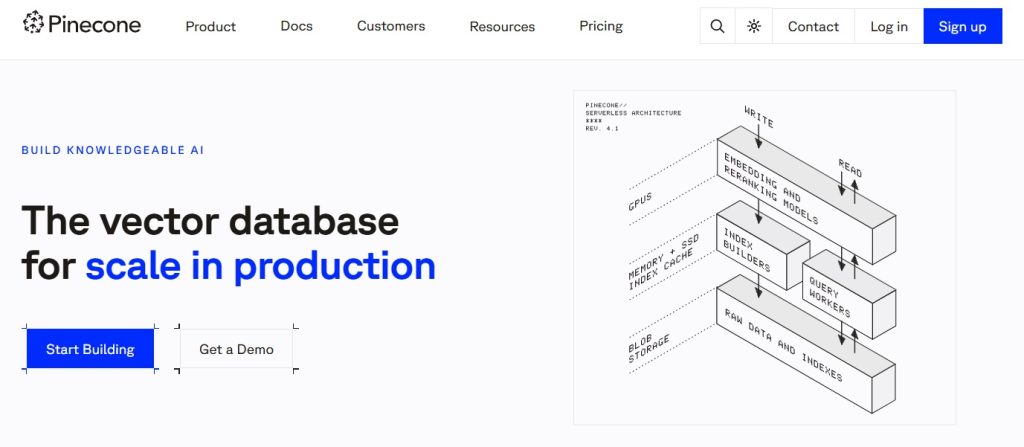
- Vector Databases (e.g., Pinecone, Weaviate) for managing data for retrieval.
- MLOps Platforms for managing the model lifecycle.
- Monitoring and Logging Tools to track performance and costs.
2. Where the Budgeting Often Goes Wrong
Many AI projects start with great enthusiasm but end with budget overruns. This usually happens due to a few common miscalculations.
The “Proof of Concept” Trap
A small-scale proof of concept (PoC) might seem affordable. However, the costs to scale that PoC to handle thousands or millions of users can be exponentially higher. The architecture and cost model for a demo are fundamentally different from a production-ready application, and businesses often fail to budget for this leap.
Underestimating Inference Costs
Teams often focus heavily on the one-time cost of building or training a model. They forget that the real, long-term expense comes from inference – the cost of the model actually doing its job every day. A popular feature can lead to millions of API calls, causing operational costs to skyrocket unexpectedly.
Chasing the “Best” Model for Everything
It is tempting to always use the most powerful and capable model available (like Anthropic’s Claude 4 Opus or OpenAI’s GPT-o3). However, this is like using a sledgehammer to crack a nut. Using these top-tier models for simple tasks (like sentiment analysis or basic classification) is a massive waste of money.
 Read alsoHybrid Work and AI: Why Most Companies are Getting it Wrong
Ignoring the 80% Data Problem
The “glamorous” part of AI is the model itself. The reality is that up to 80% of the time and effort in an AI project is spent on data preparation. Budgeting for the model without adequately funding data cleaning, labelling, and management is a recipe for failure and hidden costs.
3. What Are the Biggest Potentials for Wins?
The good news is that there are huge opportunities to make your AI spend more efficient. The biggest wins come from being strategic about how you use AI resources.
Right-Sizing Your Models
This is the single biggest lever you can pull. Instead of using one powerful model for all tasks, use a range of models. A smaller, faster, and cheaper model can handle simple queries, while the more expensive, powerful models are reserved only for tasks that truly require their advanced reasoning capabilities.
Strategic Caching
Does your AI assistant get asked the same questions repeatedly? If so, you should not be calling the AI API every single time. By implementing a caching layer, you can store the answers to common queries and serve them instantly without incurring an API cost. This is a simple but incredibly effective cost-saving measure.
Get the best ones in your inbox — no spam, unsubscribe any time.
Choosing RAG over Fine-Tuning
For many business use cases, you want an AI to answer questions based on your company’s specific documents or data.
- Fine-Tuning: This involves retraining a base model on your data. It is expensive, time-consuming, and needs to be redone every time your data changes.
- Retrieval-Augmented Generation (RAG): This involves giving the model access to your documents in real-time to “read” before answering a question. RAG is far more cost-effective, easier to update, and often provides better, more accurate results for knowledge-based tasks.
Optimising Your Prompts
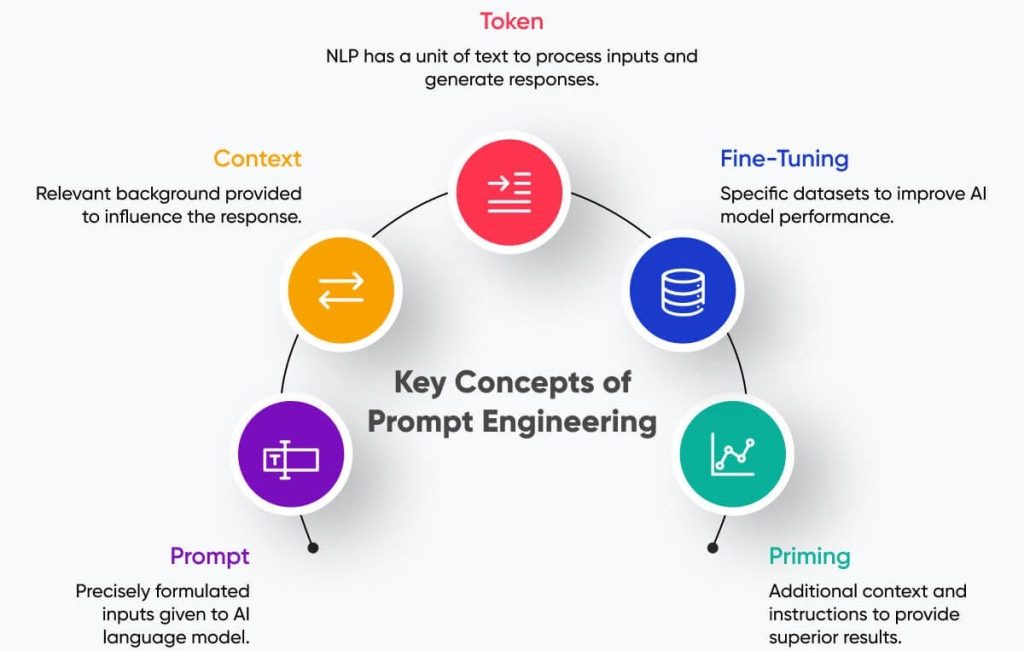
The length and complexity of your prompts directly impact cost. Training your team to write shorter, more efficient prompts that get the desired output with fewer tokens can lead to significant savings at scale.
4. Ultimately, How to Optimise AI Expenses?
Here is a practical action plan to get your AI spending under control and maximise your return on investment.
1. Audit and Monitor Everything You cannot optimise what you do not measure. Implement robust logging to track every API call, its token count, and the task it was used for. Use monitoring dashboards to visualise your spending in real-time. This will immediately highlight your most expensive AI interactions.
2. Implement a Tiered Model Strategy (Model Routing) Build a “router” in your application’s logic. This router should first analyse the user’s query. Is it simple? Send it to a cheap model (like Claude 3 Haiku). Is it complex and requires deep analysis? Escalate it to a premium model (like Claude 3 Opus). This ensures you are always using the most cost-effective tool for the job.
 Read alsoListen: AI is only a Tool, not your Strategy
3. Embrace Caching Aggressively Set up a caching system for all high-frequency, low-variability queries. This is especially crucial for customer-facing chatbots and internal knowledge base tools.
4. Prioritise RAG for Knowledge-Specific Tasks Before you consider an expensive fine-tuning project, build a robust RAG system. Invest in a good vector database and focus on optimising your data retrieval process. This approach is cheaper, more flexible, and easier to maintain.
5. Invest in Prompt Engineering Treat prompt engineering as a core development skill. Run workshops and create best-practice guides for your team on how to write clear, concise, and cost-effective prompts.
6. Set Budgets and Alerts Use the billing features provided by your AI and cloud providers. Set hard spending limits and configure alerts to notify you when you are approaching your budget thresholds. This prevents nasty surprises at the end of the month.
Conclusion: Spend Smarter, Not Less
Optimising AI expenses is not about stifling innovation; it is about enabling sustainable growth. The Australian market is in a unique position; adoption of AI is accelerating, but many businesses are feeling the pinch from unexpected costs, licensing fees and inefficient usage patterns. From fast-growing start-ups in Sydney to established enterprises in Melbourne, the challenge remains the same, making AI work harder without it costing more than it should.
The key is shifting from a mindset of “use the best AI” to “use the right AI for the task.” You do not always need the most expensive model to get world-class results; you need the most appropriate one for your specific business objectives. By choosing wisely, you can build incredible products and services that are both technologically advanced and financially sustainable, ensuring you remain competitive in an increasingly digital economy.
A disciplined, strategic approach to AI spending is what will separate the Australian companies that truly leverage AI from those that get consumed by its costs.
So, is your AI investment already running off your estimates? If the answer is yes, at FUZN, we can help you streamline your processes, optimise your model usage and ensure your AI expenses stay firmly within budget. Book a free discovery call with us to get started.